
The Thrill of Uncertainty
At the core of casino gaming lies the psychological concept of uncertainty, which serves as a primary driver of player behavior. Gamblers are often attracted to the thrill that comes from unpredictable outcomes, as it stimulates the brain’s reward system. The anticipation of best online poker sites for real money a potential win can create excitement and a rush of adrenaline, leading players to engage repeatedly despite the inherent risks of losing money.
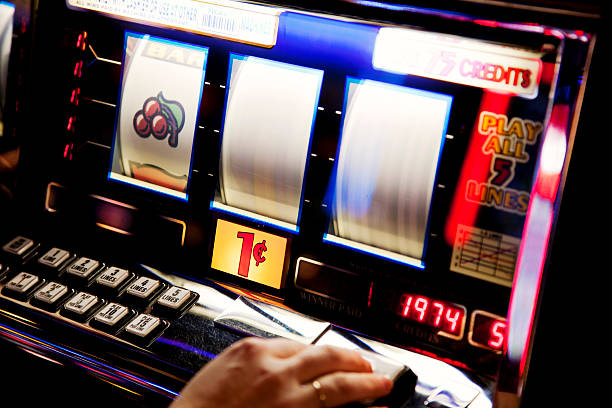
This thrill is further amplified by the noise, lights, and overall atmosphere of casinos designed to heighten emotional states. The environment fosters an immersive experience that can trigger a state of euphoria, making it difficult for players to leave. Understanding the psychological effects of uncertainty can thus illuminate how this element keeps players returning to the gaming tables or slots.
The Role of Social Interaction
Another significant factor influencing player behavior in casinos is social interaction. Many individuals are drawn to the communal aspects of gaming, where shared experiences with friends or strangers can enhance the enjoyment of the game. This social dimension can manifest through group play or casual conversations, creating a sense of belonging and camaraderie.
Studies show that gambling in social settings can often lead to more substantial financial commitments, as players feel a sense of obligation and excitement in engaging with others. The additional layer of social dynamics makes the gaming experience more rewarding, combining both psychological fulfillment and entertainment, which is crucial for driving players to return to casinos.
Chasing Losses and the Illusion of Control
Many players exhibit a behavior known as “chasing losses,” where they continue to gamble in an attempt to recover lost funds. This mindset stems from cognitive biases, leading individuals to believe that they can influence outcomes or that they are due for a win after a series of losses. The psychology behind this is rooted in the desire for control over an inherently random activity.
The illusion of control can further complicate gambling behavior, as players might develop strategies or patterns they believe will improve their chances. This false sense of security can lead to significant financial repercussions, as players ignore the statistically high odds against them. Understanding this phenomenon can help shed light on why individuals engage in seemingly irrational betting behavior.
The Impact of Rewards and Reinforcement
Casinos are adept at employing various reinforcement strategies that keep players engaged. Frequent small wins, even if they do not outweigh losses, can provide players with a sense of accomplishment that reinforces their behavior. This concept, known in psychology as variable reinforcement, is crucial to maintaining engagement as it creates an unpredictable outcome—players feel rewarded, leading to continued participation.
Additionally, casinos implement loyalty programs and jackpots to entice players further. The prospect of significant wins associated with these rewards creates an additional layer of motivation for players who may otherwise be on the verge of quitting. By capitalizing on the psychology of rewards, casinos ensure that the cycle of play continues.

Engaging with Financial Insights on Gambling Behavior
For those interested in delving deeper into the psychology of gambling and its financial implications, there are platforms dedicated to providing valuable insights. These resources facilitate community engagement and educational opportunities, helping users better understand the complexities of casino gaming and investment strategies. By exploring the intersection of psychology and finance, individuals can gain a nuanced perspective on player behavior.
Such platforms not only promote informed decision-making but also emphasize the importance of responsible gambling. Engaging with these resources can empower players to navigate the casino landscape with a more analytical mindset, potentially mitigating the psychological traps that lead to detrimental betting behaviors.